Early forecasts for the 2026 hurricane season are already raising concern, especially for coastal regions like North Carolina and South Carolina.
While predictions vary, most experts agree on one thing, preparation matters more than the forecast itself.
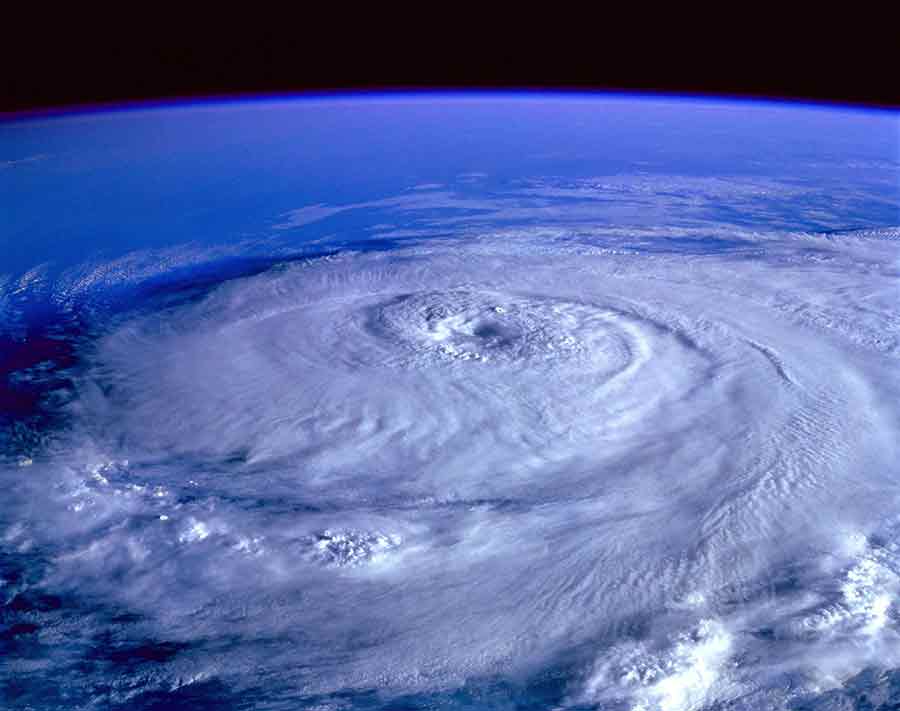
What Experts Are Predicting for the 2026 Hurricane Season
Early outlooks from experts predict for the 2026 hurricane season:
- 11 to 16 named storms
- 4 to 7 hurricanes
- 2 to 4 major hurricanes
- 3 to 5 potential U.S. impacts
The Carolinas are once again listed as areas with elevated risk for direct impacts, particularly along the coast. At the same time, the potential development of El Niño could reduce overall storm activity, but not eliminate the threat.
Why “Average” Doesn’t Mean Safe
One of the biggest misconceptions about hurricane season is that fewer storms mean less risk.
That’s not how it works. Some of the most destructive hurricanes in U.S. history occurred during quieter seasons.
It only takes one storm making landfall in the wrong place to cause widespread outages and damage.
The Biggest Concern: Rapid Intensification
One of the key concerns for 2026 is rapid storm intensification, especially near the coast.
Warmer ocean temperatures can cause storms to strengthen quickly, sometimes within 24 hours of landfall.
That means:
- Less time to prepare
- More severe impacts at landfall
- Increased risk for coastal communities
For homeowners and businesses, this shortens the window between watching the forecast and losing power.
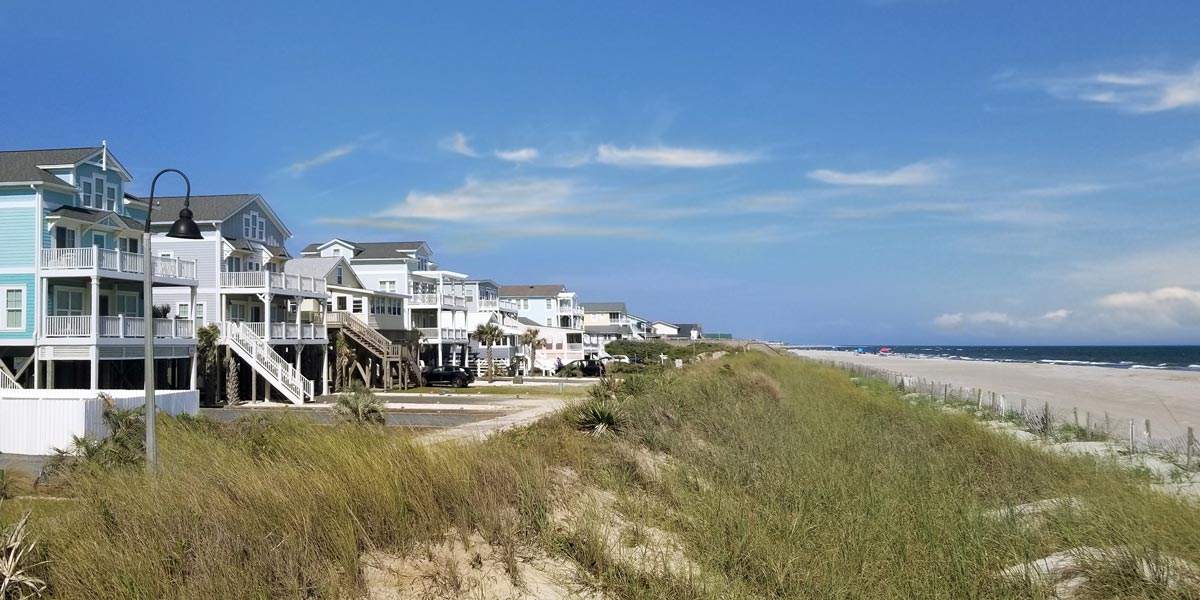
Why the Carolinas Face Unique Hurricane Risks
North Carolina and South Carolina continue to be high-risk areas due to:
- Warm Atlantic and Gulf Stream waters
- Coastal exposure and low-lying terrain
- Rapid inland storm movement
- Aging and expanding power infrastructure
Storms don’t have to make a direct hit to cause outages. Heavy rain, wind, and flooding can disrupt power systems across a wide area.
What This Means for Power Outages
Whether the season is above-average or below-average, the outcome is the same if your power goes out.
In this region, outages can last:
- Several hours for minor events
- Multiple days for severe storms
- Over a week after major hurricanes
And in some cases, restoration delays are caused by:
- Accessibility issues
- Widespread infrastructure damage
- High service demand
Forecasts Don’t Change Your Risk. Preparation Does.
Forecasts help track overall activity, but they don’t predict:
- Where a storm will hit
- How strong it will be at landfall
- How long power will be out
As emergency management experts often emphasize that you should prepare the same way every year.
Benefits to installing a backup power system not only help you prepare for a storm, but also ensure you have electricity over long periods of time.
What You Should Be Doing to Prepare For Hurricane Season Right Now
Spring is the most important time to prepare your generator and backup power system.
Before hurricane season arrives, you should:
- Schedule a professional generator inspection
- Verify fuel quality and fuel supply
- Test system performance under load
- Check battery and electrical reliability
- Confirm proper airflow and system condition
Waiting until a storm is in the forecast limits your options.

Don’t Wait for the First Storm
Every year, we see the same patterns.
People wait until late May when the first named storm becomes a system in the forecast. By then service schedules are booking, parts can get delayed, and installation timelines become much longer.
Preparing early gives you time to address issues before they become urgent.
See Why Spring is the Best Time for Generator Installation + Maintenance!
2026 Hurricane Storm Names
Here are the names for tropical storms and hurricanes for the 2026 season:
- Arthur
- Bertha
- Cristobal
- Dolly
- Edouard
- Fay
- Gonzalo
- Hanna
- Isaias
- Josephine
- Kyle
- Leah
- Marco
- Nana
- Omar
- Paulette
- Rene
- Sally
- Teddy
- Vicky
- Wilfred
For official updates and tracking throughout the season, visit the National Hurricane Center’s website.
Prepare Your Generator Before Hurricane Season
The 2026 forecast is a reminder, not a guarantee. Regardless of if the season ends up being active or quiet, your backup power system should be ready.
Greenfield Energy provides generator installation, inspections, maintenance, and system repair evaluations designed for coastal and inland properties across North Carolina and South Carolina.
If your system hasn’t been professionally serviced in the last 6–12 months, now is the time to schedule an inspection or evaluate your backup power needs to be prepared for whatever this hurricane season brings.
Request a consultation today or give us a call at 910-509-1805 to prepare for hurricane season with a back up power generator.